

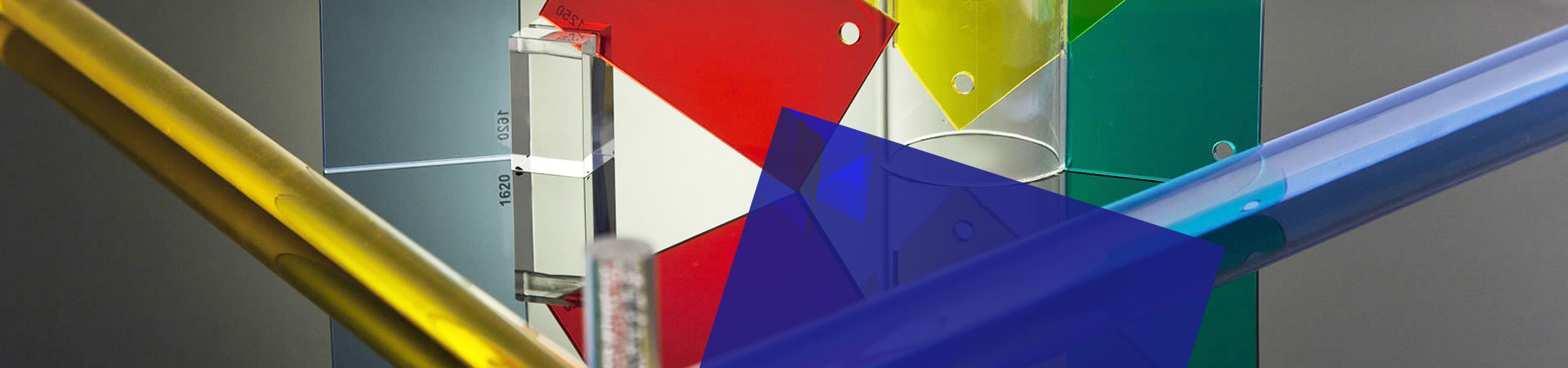
Cast acrylic, also known as cast PMMA (polymethyl methacrylate), is a transparent thermoplastic material. It is manufactured through a casting process where liquid acrylic is poured into molds and allowed to solidify. The result is a high-quality sheet with exceptional clarity and strength.
One of the main advantages of cast acrylic is its optical properties. It offers excellent light transmission, surpassing that of glass, and maintains its transparency over time. Additionally, it has high impact resistance and is less prone to scratching compared to other plastics.
Cast acrylic finds a wide range of applications across various industries. It is commonly used for displays, signage, retail fixtures, architectural glazing, and even artistic projects. Its versatility allows for easy machining and shaping, making it suitable for intricate designs and custom applications.
When it comes to installing cast acrylic, proper support and fastening are essential. The sheets should be securely mounted using appropriate hardware, such as screws or adhesives, to ensure stability. Care should be taken to avoid over-tightening, as excessive pressure can cause stress and cracking.
To maintain cast acrylic, regular cleaning with a mild soap or acrylic cleaner is recommended. Soft, non-abrasive cloths should be used to prevent scratching. Avoid using harsh chemicals or abrasive cleaners that can damage the surface. Additionally, protecting the sheets from excessive heat and UV exposure helps maintain their optical clarity and prevents yellowing over time.
In summary, cast acrylic offers advantages such as optical clarity, impact resistance, and versatility. It is widely used in various industries and can be installed securely with proper support. Regular cleaning and protection measures are essential for maintaining the longevity and visual appeal of cast acrylic sheets.